Navigating the Ethical Landscape of Organ Transplantation in the Arab World
Category : organb |
Sub Category : organb Posted on 2023-10-30 21:24:53
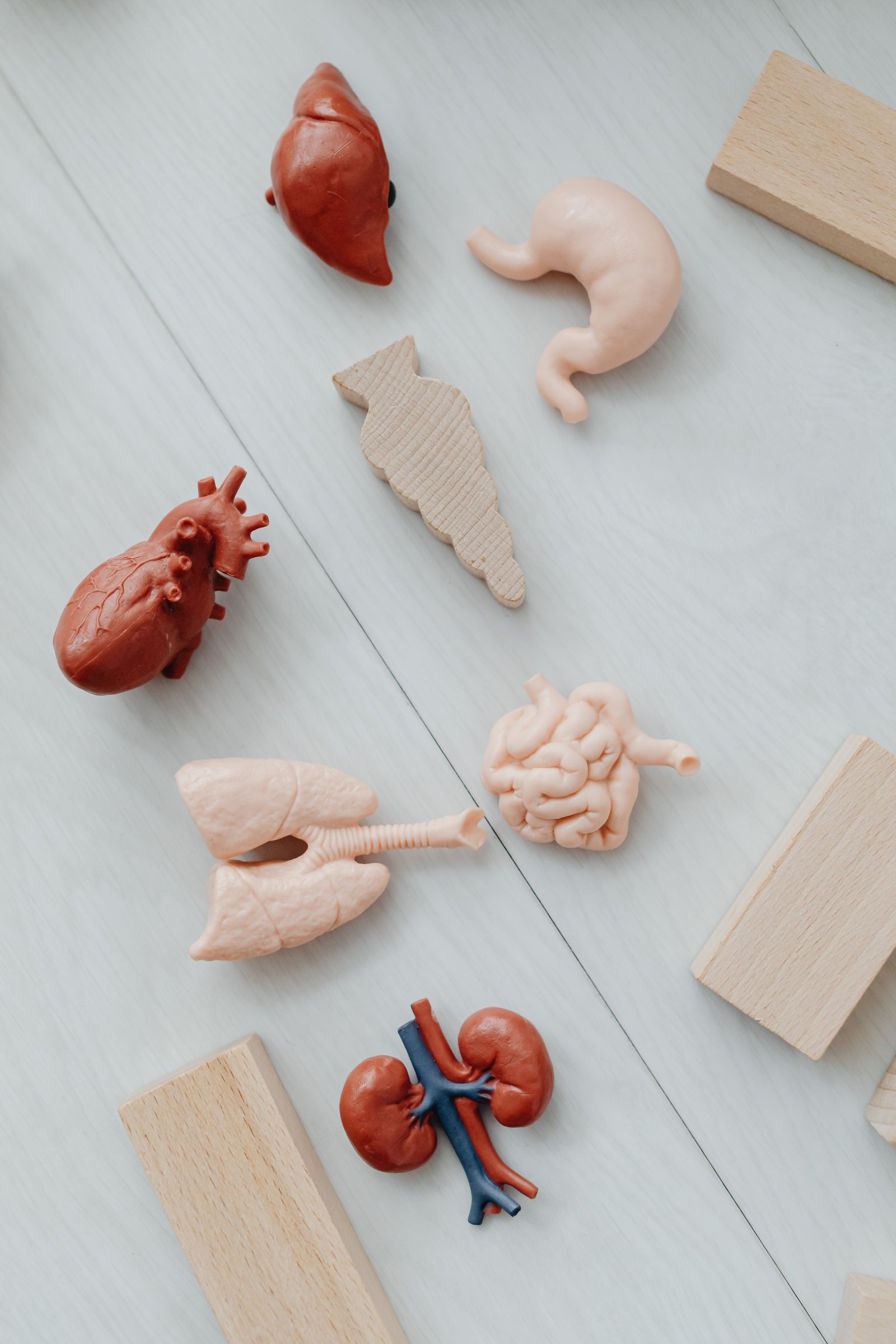
Introduction: Organ transplantation has revolutionized the field of medicine, allowing individuals with organ failure a new lease on life. In the Arab world, where cultures, traditions, and religious beliefs often play a significant role in people's lives, ethical considerations surrounding organ transplantation can prove to be particularly complex. In this blog post, we will explore the ethical dimensions of organ transplantation in the Arab world. 1. Religious and Cultural Influences: The Arab world encompasses diverse religious and cultural beliefs, which can significantly impact perspectives on organ transplantation. Islam, the predominant religion in the region, encourages acts of charity, including organ donation. However, interpretations of Islamic teachings regarding organ transplantation may vary among scholars and individuals. Understanding these beliefs and engaging in open dialogue is crucial to addressing ethical concerns. 2. Consent and Autonomy: Respecting individual autonomy when it comes to organ transplantation is paramount. In the Arab world, where familial bonds and collective decision-making are highly valued, obtaining informed consent from potential donors and recipients can present unique challenges. Striking a balance between preserving cultural values and ensuring individual autonomy is essential for ethical transplant practices. 3. Organ Trafficking and Exploitation: Organ trafficking, a global issue, can also pose ethical dilemmas in the Arab world. The desperation of patients in need of organs can drive the illegal organ trade. Combatting this unethical practice requires strengthening legal frameworks, raising awareness, and promoting deceased and living organ donation programs as legitimate and ethical alternatives. 4. Allocation and Distribution of Organs: Ethical allocation and distribution of organs is a critical concern in any transplantation program, and the Arab world is no exception. Ensuring fairness and equity in organ allocation procedures is essential to address the wide socioeconomic disparities prevalent in the region. Developing fair and transparent allocation policies can contribute to fostering trust and credibility within the organ transplantation system. 5. Role of Healthcare Professionals: Healthcare professionals play a crucial role in navigating the ethical dimensions of organ transplantation in the Arab world. Upholding ethical principles in discussing organ transplantation with patients, ensuring transparency in the informed consent process, and actively addressing concerns related to cultural and religious beliefs are key responsibilities. Training healthcare professionals in culturally sensitive communication skills can enhance the ethical practice of organ transplantation. Conclusion: In the Arab world, the ethical landscape of organ transplantation is shaped by intricacies associated with religious beliefs, cultural values, and socioeconomic factors. Establishing a robust framework that upholds individual autonomy, addresses organ trafficking concerns, ensures equitable distribution, and educates healthcare professionals can help navigate the ethical complexities surrounding organ transplantation. By promoting ethical practices and fostering open dialogue, we can reinforce trust and compassion within the Arab world's organ transplantation community, ultimately improving the lives of those in need. To learn more, take a look at: http://www.onlinebanat.com


