Understanding Organ Transplantation Rejection in Chinese Patients
Category : organb |
Sub Category : organb Posted on 2023-10-30 21:24:53
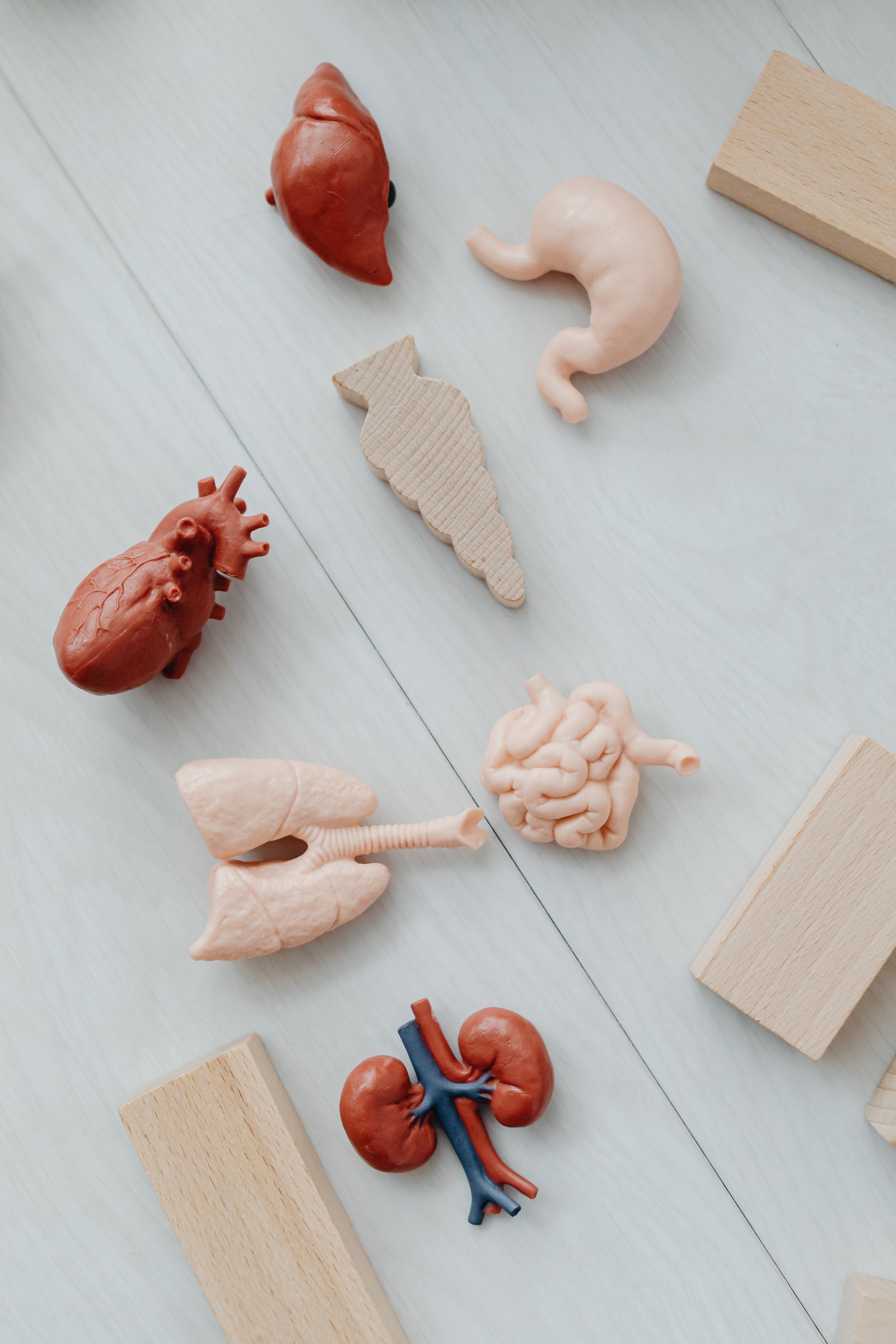
Introduction: Organ transplantation is a life-saving procedure performed worldwide to treat end-stage organ failure. In recent years, China has made significant advancements in the field of organ transplantation. However, like any medical procedure, organ transplantation can be complicated by the risk of rejection. Understanding the intricacies of organ transplantation rejection in Chinese patients is crucial for improving outcomes and enhancing patient care. The Immune System and Organ Transplantation: Organ transplantation involves replacing a failing organ with a healthy organ from a donor. However, the immune system recognizes the transplanted organ as foreign and may mount an immune response to reject it. In Chinese patients, this immune response can be influenced by several factors, including genetic predisposition, pre-existing health conditions, and the compatibility between the donor and recipient. Types of Organ Transplantation Rejection: There are three primary types of organ transplantation rejection: hyperacute rejection, acute rejection, and chronic rejection. 1. Hyperacute Rejection: Hyperacute rejection is rare but severe. It occurs immediately after transplantation and is caused by pre-existing antibodies in the recipient's blood attacking the transplanted organ. Stringent pre-transplant screening helps mitigate the risk of hyperacute rejection. 2. Acute Rejection: Acute rejection is the most common type of rejection and typically occurs within the first few weeks after transplantation. It is caused by the recipient's immune system identifying the transplanted organ as foreign and reacting to it. Acute rejection can often be detected through routine monitoring and is usually treatable with immunosuppressive medications. 3. Chronic Rejection: Chronic rejection is a long-term complication that can develop months or years after transplantation. It involves a gradual decline in the transplanted organ's function due to ongoing immune system attacks. Strategies to prevent chronic rejection include careful monitoring, immunosuppressive therapy, and lifestyle modifications. Unique Factors Affecting Organ Transplantation Rejection in Chinese Patients: Several factors can contribute to organ transplantation rejection in Chinese patients, making it crucial to consider these in patient care: 1. Genetic Compatibility: The compatibility between the donor and recipient plays a significant role in organ transplantation success. Chinese patients have a unique genetic profile, which must be carefully considered to minimize rejection risks. 2. HLA Matching: Human leukocyte antigen (HLA) matching is crucial for successful organ transplantation. The genetic diversity within the Chinese population necessitates unique considerations when matching donors and recipients. 3. Cultural and Socioeconomic Factors: Cultural beliefs and socioeconomic factors can affect patients' adherence to immunosuppressive medications, follow-up appointments, and lifestyle modifications necessary for post-transplant care. Medical professionals must consider these factors and provide education and support to maximize transplant outcomes. Improving Transplant Outcomes: To improve organ transplantation outcomes and reduce rejection rates in Chinese patients, ongoing research and collaborations are essential. This includes studying genetic factors influencing transplantation rejection, implementing individualized immunosuppressive strategies, and ensuring comprehensive post-transplant patient care. Conclusion: Organ transplantation rejection remains a significant concern in Chinese patients. By understanding the unique factors influencing rejection in this population, healthcare professionals can develop targeted approaches to reduce rejection rates, improve patient outcomes, and ultimately enhance the success of organ transplantation in China. Ongoing research, education, and support will pave the way for advancements in organ transplantation and the overall well-being of patients in need. For a fresh perspective, give the following a read http://www.soitsyou.com


