Navigating the Ethical Landscape of Organ Transplantation in Cairo, Egypt
Category : organb |
Sub Category : organb Posted on 2023-10-30 21:24:53
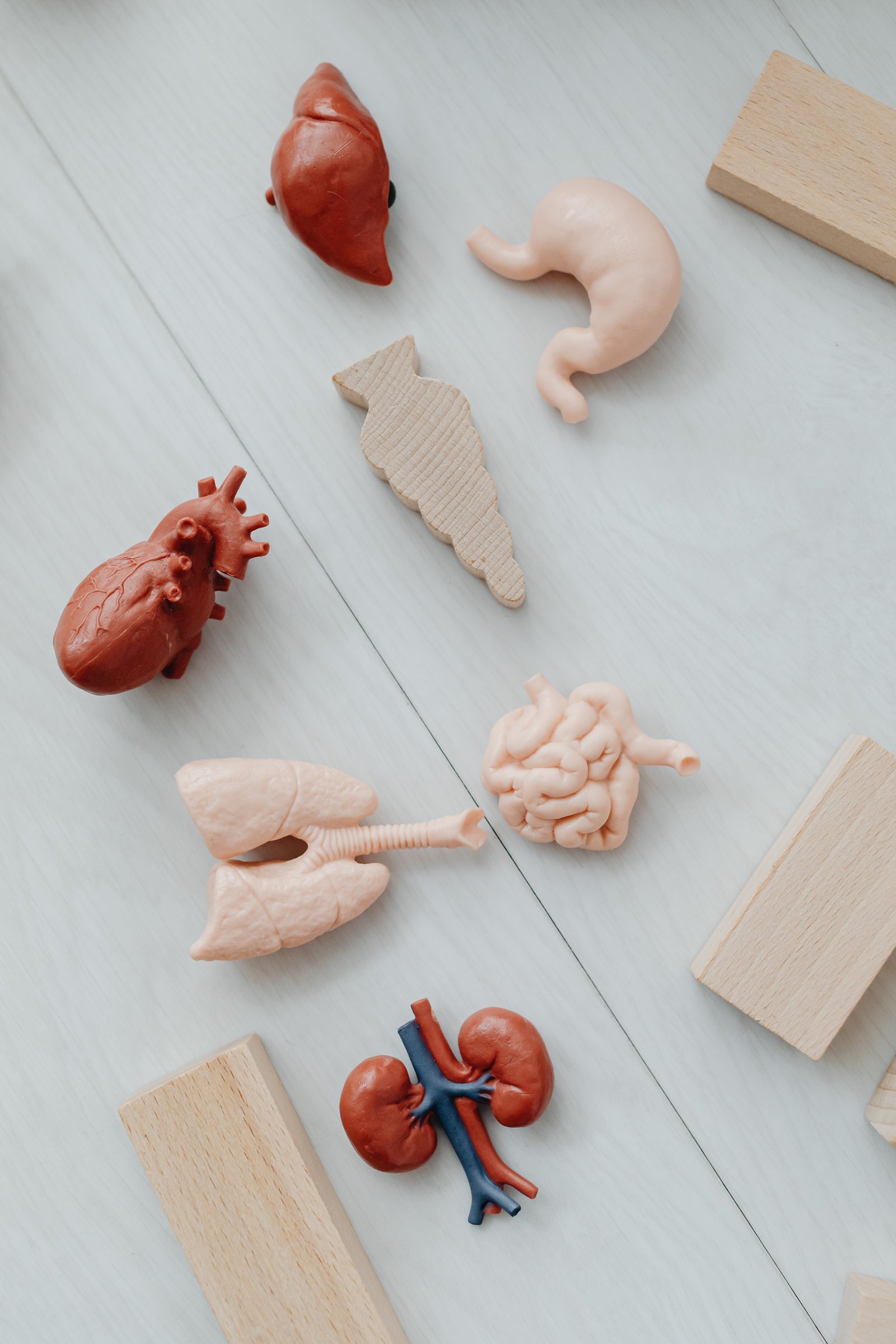
Introduction: Organ transplantation has revolutionized medical science, offering hope and extending the lives of thousands of individuals worldwide. In Cairo, Egypt, where medical advancements are rapidly growing, organ transplantation has gained significant attention. However, discussions surrounding the ethics of organ transplantation continue to be critical. In this blog post, we dive into the ethical concerns and considerations related to organ transplantation in Cairo, shedding light on the challenges and potential solutions in this complex field. 1. The High Demand for Organs: Cairo, being the largest city in Egypt and the hub of medical facilities, faces an ever-growing demand for organs. The scarcity of organs, such as kidneys, livers, and hearts, leads to a waiting list that seems almost insurmountable. This raises ethical questions about how to allocate organs fairly and prioritize patients based on medical factors rather than financial capabilities. 2. Ensuring Consent and Organ Trafficking: Another pressing ethical issue in Cairo's organ transplantation system relates to consent and organ trafficking. It is imperative to ensure that organs are procured through legal and ethical means. The concern arises in cases where donors may not fully understand the implications of their decision or are coerced into selling their organs. Stricter regulations, public awareness campaigns, and transparent documentation can help combat organ trafficking and ensure consent is obtained genuinely. 3. The Role of Religion: Given Egypt's predominantly Muslim population, religious beliefs play a significant role in shaping the ethical discourse around organ transplantation. Islam, the most practiced religion in Egypt, encourages organ donation as an act of charity and saving lives. However, certain sects and interpretations may have varying views, leading to ethical dilemmas regarding religious compatibility and acceptance of transplantation. Open dialogues and education can help bridge the gap between religious principles and medical advancements. 4. The Impact of Socioeconomic Factors: Socioeconomic factors, such as income inequality and limited access to adequate healthcare, can exacerbate ethical concerns in organ transplantation. Affluent patients often have better access to resources and may engage in practices like medical tourism to receive transplants outside of Cairo. This raises questions about fairness and equity in healthcare serving underprivileged populations. Initiatives promoting equal access to transplantation services and financial support for patients can help address these ethical dilemmas. 5. Developing Ethical Guidelines and Regulations: To address the ethical concerns surrounding organ transplantation, Cairo's medical community is actively working towards establishing comprehensive guidelines and regulations. By fostering robust ethical frameworks, healthcare professionals, policymakers, and religious leaders can collectively shape the future of organ transplantation in Egypt. Conclusion: Organ transplantation in Cairo, Egypt, presents a complex ethical landscape that requires careful consideration. The demand for organs, ensuring consent, addressing religious beliefs, and socioeconomic factors all contribute to the ongoing debate. By promoting transparency, education, and collaboration, it is possible to navigate these ethical challenges while striving for improved access, fairness, and patient-centric care in organ transplantation. For a closer look, don't forget to read http://www.egyptwn.com


