Revolutionizing Healthcare: The Promise of Bioengineered Human Organs
Category : organb |
Sub Category : organb Posted on 2023-10-30 21:24:53
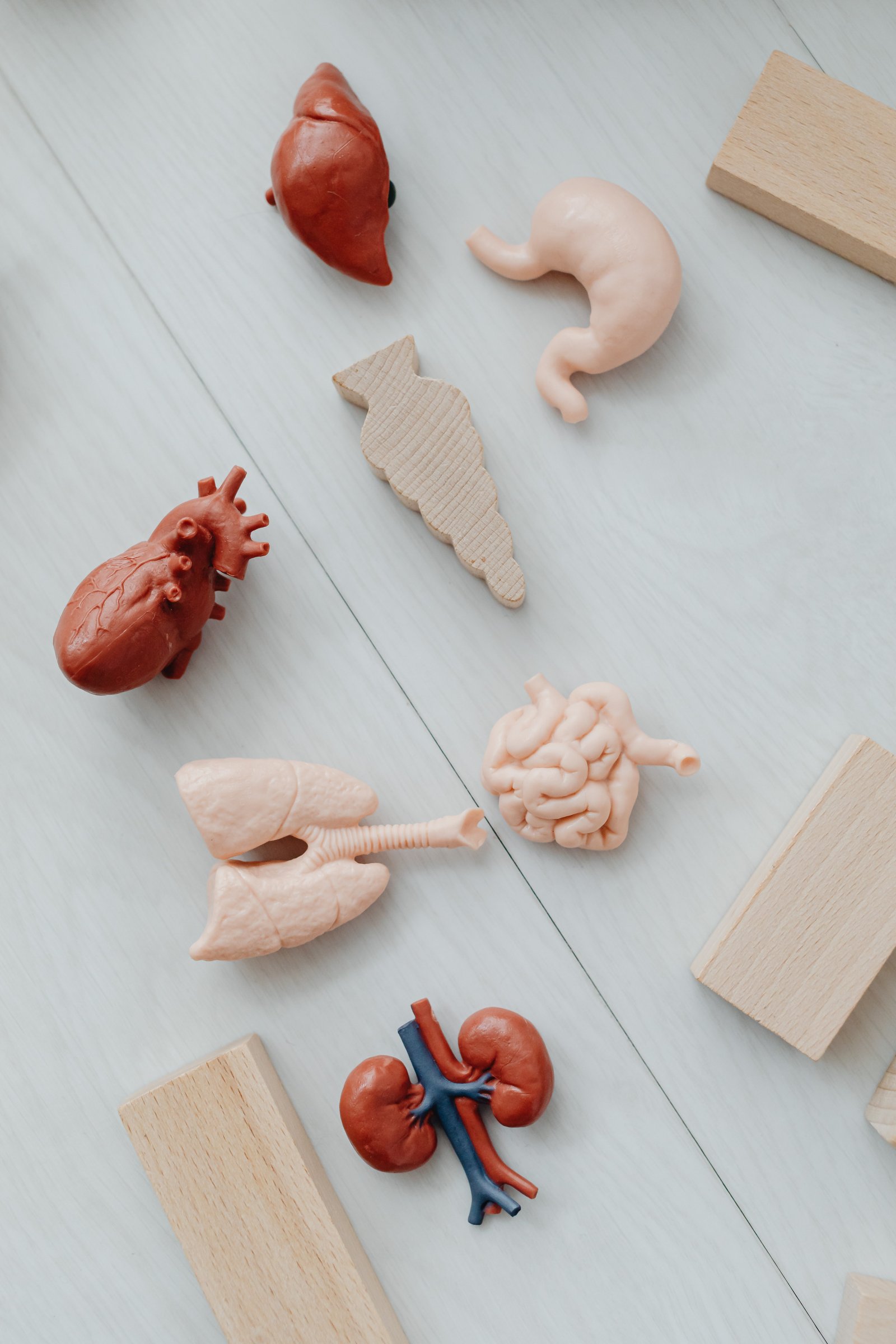
Introduction: Advancements in medical sciences have always pushed the boundaries of what we thought was possible. One such groundbreaking development is the field of bioengineering human organs, revolutionizing healthcare and offering hope to millions of patients worldwide. In this blog post, we will explore the remarkable progress being made in bioengineered human organs, the potential benefits they offer, and the challenges that lie ahead. 1. The Need for Bioengineered Human Organs: The demand for organ transplantation far exceeds the number of available donor organs. Every year, thousands of patients are added to the waiting lists, hoping for an organ donor match that might save their lives. Unfortunately, due to a shortage of donors, many patients are left without viable treatment options. Bioengineered human organs have the potential to address this critical gap, offering a sustainable solution to the organ shortage crisis. 2. The Process of Bioengineering Human Organs: Bioengineering human organs involves growing functional organs in the lab, using a patient's own cells or using bio-compatible materials. This process typically starts with a bioscaffold, a supportive structure that acts as a template for the organ's growth. Scientists then seed the scaffold with the patient's own cells or cells obtained from stem cells. Over time, these cells multiply and develop, creating a functioning organ that closely mimics its natural counterpart. 3. Advantages of Bioengineered Human Organs: a) Eliminating Organ Rejection: One of the main advantages of bioengineered human organs is the potential to eliminate organ rejection. Since the organs are created using a patient's own cells, there is minimal risk of rejection by their immune system. This eliminates the need for lifelong immunosuppressive drugs, which are currently required for patients who undergo traditional organ transplantation. b) Customization and Personalization: Bioengineered human organs offer the opportunity for customization and personalization. Organs can be tailored to fit a specific patient's needs, taking into account factors such as size, shape, and biological compatibility. This personalized approach can improve the success rate of transplantation procedures and enhance patient outcomes. c) Reduced Risk of Disease Transmission: Traditional organ transplantation carries a risk of disease transmission from the donor to the recipient. Bioengineering organs eliminates this risk, as the organs are grown in a controlled laboratory environment, ensuring a pathogen-free result. 4. Challenges and Future Directions: While the potential of bioengineered human organs is promising, several challenges need to be addressed before their widespread use becomes a reality. Some key areas of focus include: a) Scaling Up Production: Currently, bioengineered organs are mostly limited to experimental studies and small-scale clinical trials. Scaling up production to meet the demand for transplantation on a larger scale is a significant challenge that researchers are actively working on. b) Developing Vascularization Techniques: Ensuring proper blood supply to bioengineered organs is crucial for their long-term viability and functionality. Researchers are exploring various techniques to develop an adequate vascular network within the growing organs, allowing for efficient nutrient and oxygen delivery. c) Ethical Concerns: As with any emerging technology, bioengineered human organs raise ethical concerns. Questions surrounding the source of cells, ownership, and consent require thoughtful consideration to ensure a fair and ethical approach to their development and use. Conclusion: Bioengineered human organs hold immense promise for revolutionizing healthcare and addressing the critical shortage of donor organs. Through the elimination of organ rejection, customization, and reduced risk of disease transmission, these organs have the potential to save countless lives and improve patient outcomes. While challenges remain, ongoing research and collaboration between scientists, medical professionals, and ethical experts will pave the way for a future where bioengineered human organs are a routine part of healthcare, offering hope and a second chance at life. For more information check: http://www.doctorregister.com Seeking expert advice? Find it in http://www.tinyfed.com to Get more information at http://www.natclar.com Explore this subject further by checking out http://www.qqhbo.com


