Understanding and Preventing Human Organ Failure for Optimal Health
Category : organb |
Sub Category : organb Posted on 2023-10-30 21:24:53
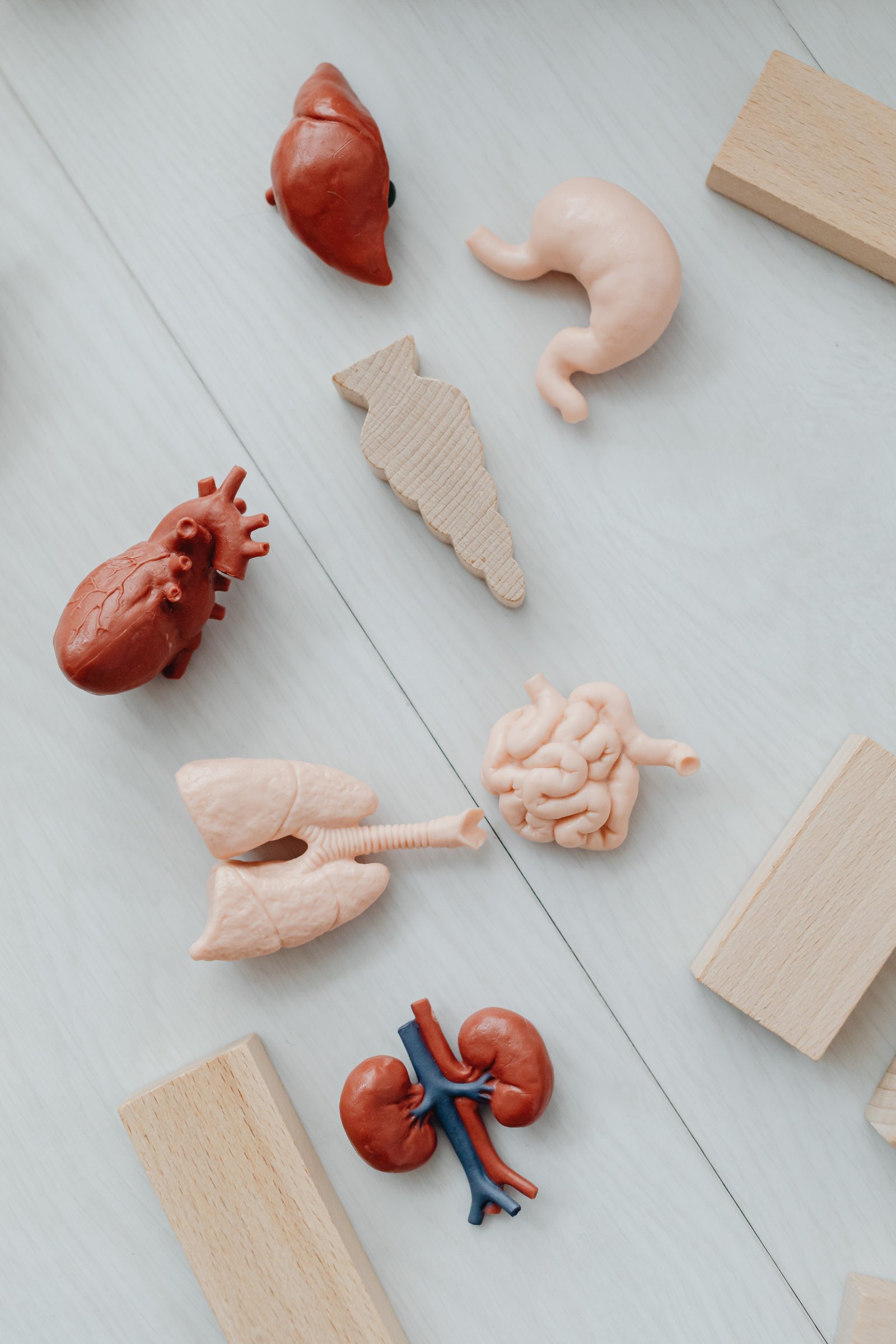
Introduction: Maintaining good health is essential for a happy and fulfilling life. When it comes to human organ failure, the consequences can be devastating. Organ failure occurs when one or more organs in the body cease to function properly, posing a serious threat to overall health. In this blog post, we will delve into the causes, signs, and preventive measures for human organ failure, empowering you with knowledge to take charge of your well-being. Understanding Human Organ Failure: Human organ failure refers to the inability of an organ to perform its essential functions adequately. The most common organs affected by organ failure include the heart, kidneys, liver, lungs, and pancreas. These organs play vital roles in maintaining various bodily functions. When they fail, it can lead to life-threatening complications. Causes of Human Organ Failure: Organ failure can be caused by a variety of factors. Some common causes include: 1. Chronic Diseases: Conditions like heart disease, diabetes, kidney disease, and liver disease can increase the risk of organ failure. 2. Infections: Serious infections, such as sepsis or pneumonia, can cause an organ to fail if left untreated or not managed properly. 3. Trauma: Accidents or severe injuries can lead to organ damage or failure, especially if the impact directly affects vital organs. 4. Medications and Toxins: Certain medications, toxins, or excessive alcohol consumption can harm organs, leading to their dysfunction over time. Signs and Symptoms of Organ Failure: It is important to be aware of the signs and symptoms that may indicate impending organ failure. These can vary depending on the organ affected, but some common symptoms include: 1. Shortness of breath or difficulty breathing 2. Fatigue and weakness 3. Abdominal pain or swelling 4. Jaundice (yellowing of the skin and eyes) 5. Changes in urine output or color 6. Rapid or irregular heartbeat 7. Confusion or cognitive impairment 8. Nausea, vomiting, or loss of appetite Preventive Measures for Human Organ Failure: While some factors that contribute to organ failure may be beyond our control, there are steps we can take to minimize the risk. Here are some preventive measures: 1. Healthy Lifestyle: Maintain a balanced diet, engage in regular exercise, manage stress levels, and avoid smoking or excessive alcohol consumption. These lifestyle choices can have a positive impact on organ health. 2. Regular Check-ups: Schedule routine check-ups with your healthcare provider to monitor your organ function and identify any potential issues before they escalate. 3. Manage Chronic Diseases: If you have a chronic condition, work closely with your healthcare team to manage it effectively and follow the prescribed treatment plan. 4. Avoid Self-Medication: Consult a healthcare professional before taking any medications or supplements to avoid potential harm to your organs. 5. Practice Good Hygiene: Regularly wash your hands, follow food safety guidelines, and maintain good oral hygiene to reduce the risk of infections that can lead to organ failure. Conclusion: Human organ failure can be a life-threatening condition, but by understanding the causes, recognizing the signs and symptoms, and adopting preventive measures, we can take control of our health and reduce the risk of organ failure. Remember, early detection, appropriate medical care, and a healthy lifestyle are key to maintaining optimal organ function. Prioritize your well-being, and work towards a healthier future where organ failure becomes a rare occurrence rather than a prevalent concern. Explore this subject further by checking out http://www.doctorregister.com Find expert opinions in http://www.tinyfed.com To understand this better, read http://www.natclar.com


