The Future of Medicine: Unlocking the Potential for Human Organ Regeneration
Category : organb |
Sub Category : organb Posted on 2023-10-30 21:24:53
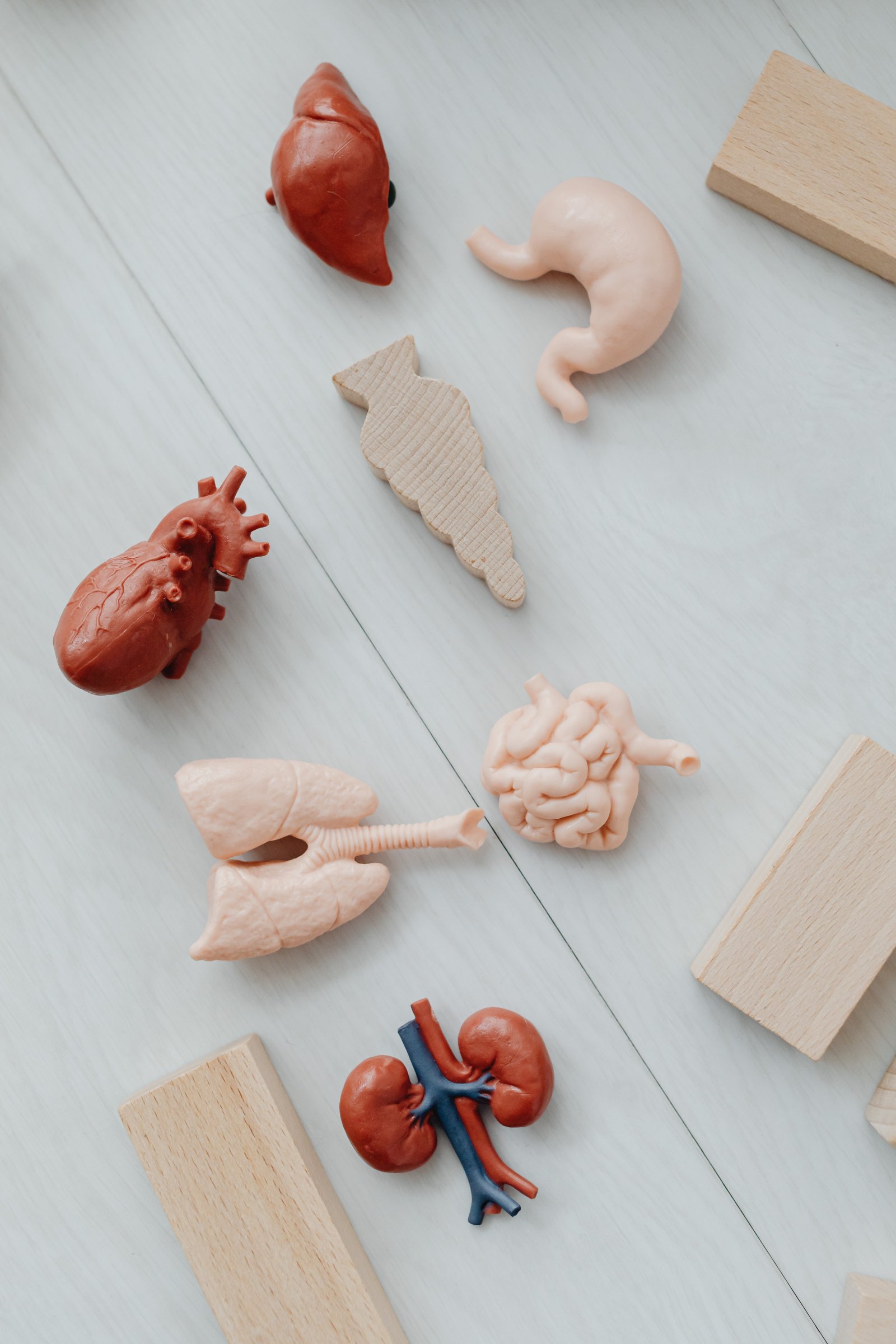
Introduction: In the realm of medicine, advancements continue to push the boundaries of what was once thought impossible. One such groundbreaking area is human organ regeneration. Long gone are the days when organ transplantation was the only option for individuals suffering from organ failure. Today, researchers are making groundbreaking strides towards regenerating human organs, offering hope to millions of patients worldwide. In this blog post, we will explore the concept of organ regeneration, the current progress in the field, and the potential it holds for revolutionizing healthcare. Understanding Human Organ Regeneration: Human organ regeneration refers to the process by which damaged or non-functional organs are restored to their original form, structure, and function within the human body. While humans possess some natural regenerative abilities, such as the ability of the liver to regenerate itself to a certain extent, the process of regenerating complex organs like the heart, kidney, or lungs has remained elusive until now. Current Progress in Human Organ Regeneration: Over the past decade, remarkable progress has been made in the field of human organ regeneration. Stem cell research has played a pivotal role in unlocking the potential for regeneration. Stem cells are unique cells that have the ability to differentiate into various specialized cell types. Scientists can isolate and manipulate these cells to regenerate specific tissues or organs. One notable example of successful organ regeneration is the artificial trachea, created in 2011 by researchers at Karolinska Institutet in Sweden. They used the patient's own stem cells to create a completely functional trachea, which was then transplanted back into the patient's body. This groundbreaking procedure showcased the tremendous potential of regenerative medicine. Another notable advancement is the use of 3D bioprinting technology. Bioprinting involves layer-by-layer deposition of cells, biomaterials, and growth factors to create functional tissues or organs. This innovative approach has shown promising results in creating complex structures like blood vessels, skin grafts, and even small-scale human organs for transplantation. The Potential Impact on Healthcare: The ability to regenerate human organs has the potential to revolutionize healthcare in numerous ways. Firstly, it could significantly alleviate the shortage of donor organs. Currently, patients in need of organ transplants often face long waiting lists, and sadly, many die before suitable organs become available. Regenerating organs from a patient's own cells would eliminate the need for donor organs, making transplants more readily accessible. Secondly, organ regeneration could reduce the risk of organ rejection. When receiving a transplanted organ, patients require lifelong immunosuppressive medications to prevent their immune system from attacking the foreign organ. By using a patient's own cells for regeneration, the risk of rejection would be virtually eliminated, improving patient outcomes and reducing the need for immunosuppressive drugs. Moreover, the economic impact cannot be overlooked. The cost of organ transplantation, including surgery, post-operative care, immunosuppressive drugs, and ongoing medical treatment, is substantial. By enabling organ regeneration, the overall cost of treatment could potentially be reduced, benefiting both individuals and healthcare systems. Conclusion: Human organ regeneration is an incredibly exciting field with the potential to transform medicine as we know it. While still in the early stages of development, researchers have made remarkable strides in regenerating organs and tissues. The ability to regenerate organs could save countless lives, reduce patient suffering, and alleviate the burden of the organ shortage crisis. As technology and scientific knowledge continue to advance, we can only imagine the possibilities that lie ahead in the realm of human organ regeneration. For a different perspective, see: http://www.doctorregister.com Get more at http://www.tinyfed.com To find answers, navigate to http://www.natclar.com


