Understanding Organ Transplantation Rejection in Japan: A Closer Look at the Challenges and Solutions
Category : organb |
Sub Category : organb Posted on 2023-10-30 21:24:53
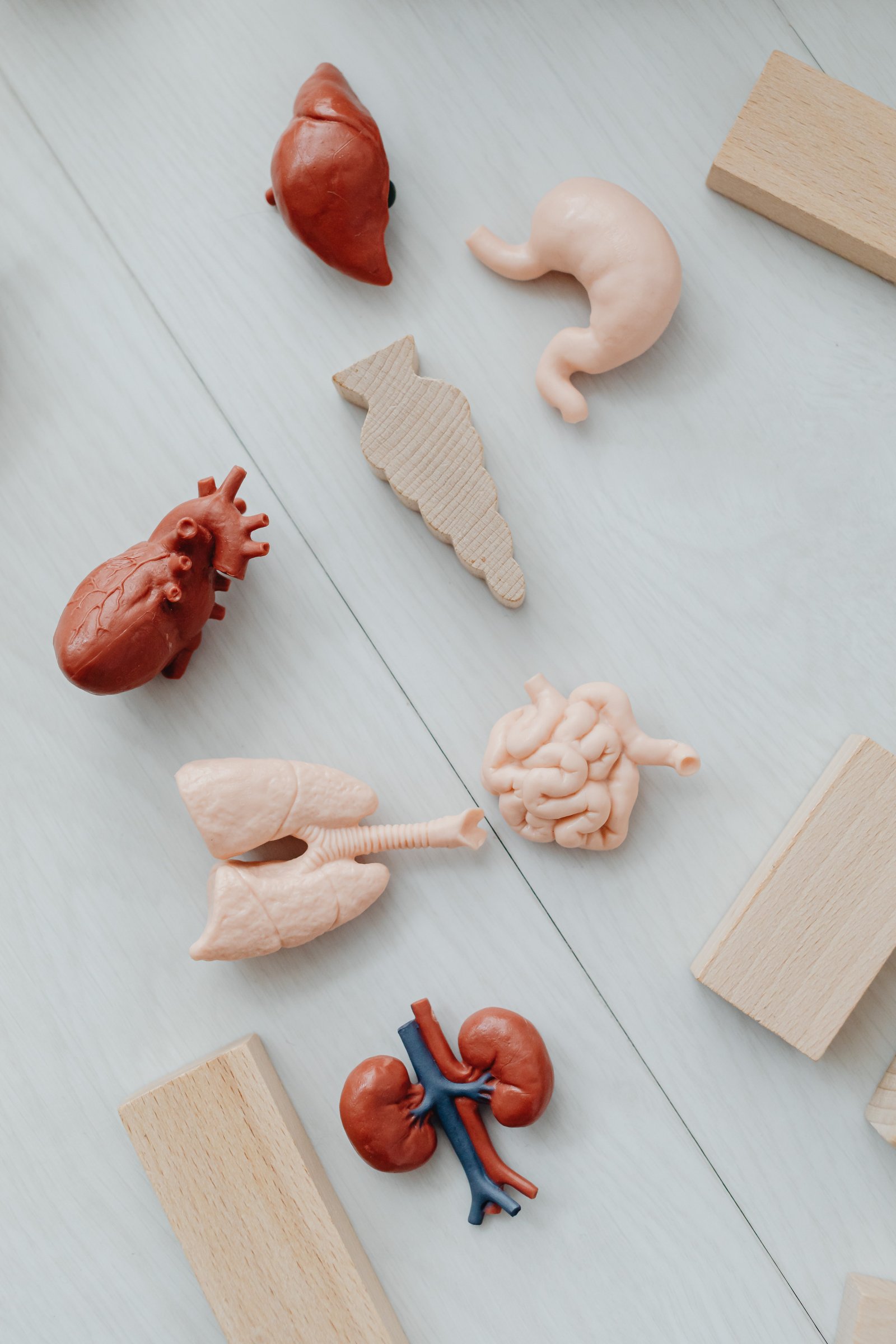
Introduction Organ transplantation has revolutionized the field of medicine, offering hope and a new lease on life to countless individuals worldwide. However, the success of a transplant heavily relies on various factors, including the compatibility of the donor and recipient, surgical expertise, post-transplant care, and most importantly, the prevention and management of organ rejection. Japan, known for its advanced healthcare system, has made significant strides in the field of organ transplantation. However, like any other country, it faces challenges related to organ rejection. In this blog post, we will explore the causes, impact, and potential solutions to organ transplantation rejection in Japan. Understanding Organ Transplantation Rejection Organ rejection occurs when the recipient's immune system identifies the transplanted organ as foreign and launches an attack against it. The immune response can lead to inflammation, tissue damage, and ultimately, the failure of the transplanted organ. Different Types of Rejection In general, there are three types of organ rejection: 1. Hyperacute Rejection: This type of rejection occurs almost immediately after transplantation and is usually caused by pre-existing antibodies to the donor organ. Luckily, hyperacute rejection is relatively rare due to extensive screening and compatibility testing. 2. Acute Rejection: Acute rejection typically occurs within the first few weeks to months after transplantation. It is mainly mediated by T-cells, and the severity can range from mild to severe. Regular monitoring of patients and immunosuppressive medications play a crucial role in managing acute rejection. 3. Chronic Rejection: Chronic rejection occurs over an extended period, often months or years after transplantation. It is a progressive process characterized by slow and irreversible damage to the transplanted organ. Chronic rejection is one of the significant obstacles in achieving long-term success in organ transplantation. The Challenges Faced in Japan Despite significant advancements in organ transplantation, Japan has encountered specific challenges in this field, including: 1. Organ Donor Shortage: One of the primary challenges faced by Japan is the shortage of suitable organ donors. Cultural beliefs and societal attitudes towards organ donation play a significant role in limiting the availability of organs for transplantation. 2. HLA Matching: HLA (Human Leukocyte Antigen) matching is a critical factor in ensuring a successful organ transplant. However, finding suitable HLA-matched donors can be challenging, particularly for individuals of non-Japanese descent. 3. Immunosuppression Side Effects: Long-term immunosuppressive medications, necessary to prevent organ rejection, can have significant side effects, such as increased susceptibility to infections, cardiovascular issues, and compromised kidney function. Addressing the Challenges Efforts to overcome these challenges are underway in Japan. Here are some key initiatives being implemented: 1. Public Awareness Campaigns: The Japanese government and various organizations are working tirelessly to raise awareness about the importance of organ donation. Initiatives like educational programs, public forums, and media campaigns aim to change societal attitudes and increase the number of potential organ donors. 2. Living Donor Programs: Encouraging living donor transplantation can help alleviate the shortage of organs. Japan has been actively promoting living donor transplantation, offering financial support, and ensuring comprehensive aftercare for both donors and recipients. 3. Advancements in Immunology and Rejection Management: Ongoing research into immunosuppressive medications and targeted therapies is essential in mitigating the risk of rejection and improving long-term outcomes. Conclusion Organ transplantation rejection poses a significant challenge to the success and sustainability of transplantation programs in Japan. However, with continuous efforts to increase organ donation rates, advancements in immunosuppressive therapies, and the promotion of living donor programs, Japan is on the path to improving transplant outcomes and providing hope for numerous patients in need. By addressing the barriers and implementing effective strategies, Japan is striving to enhance the lives of those awaiting organ transplantation and reinforcing its position as a leader in healthcare innovation. Get a comprehensive view with http://www.takishi.com


