Revolutionizing Medicine: The Era of Artificial Human Organs
Category : organb |
Sub Category : organb Posted on 2023-10-30 21:24:53
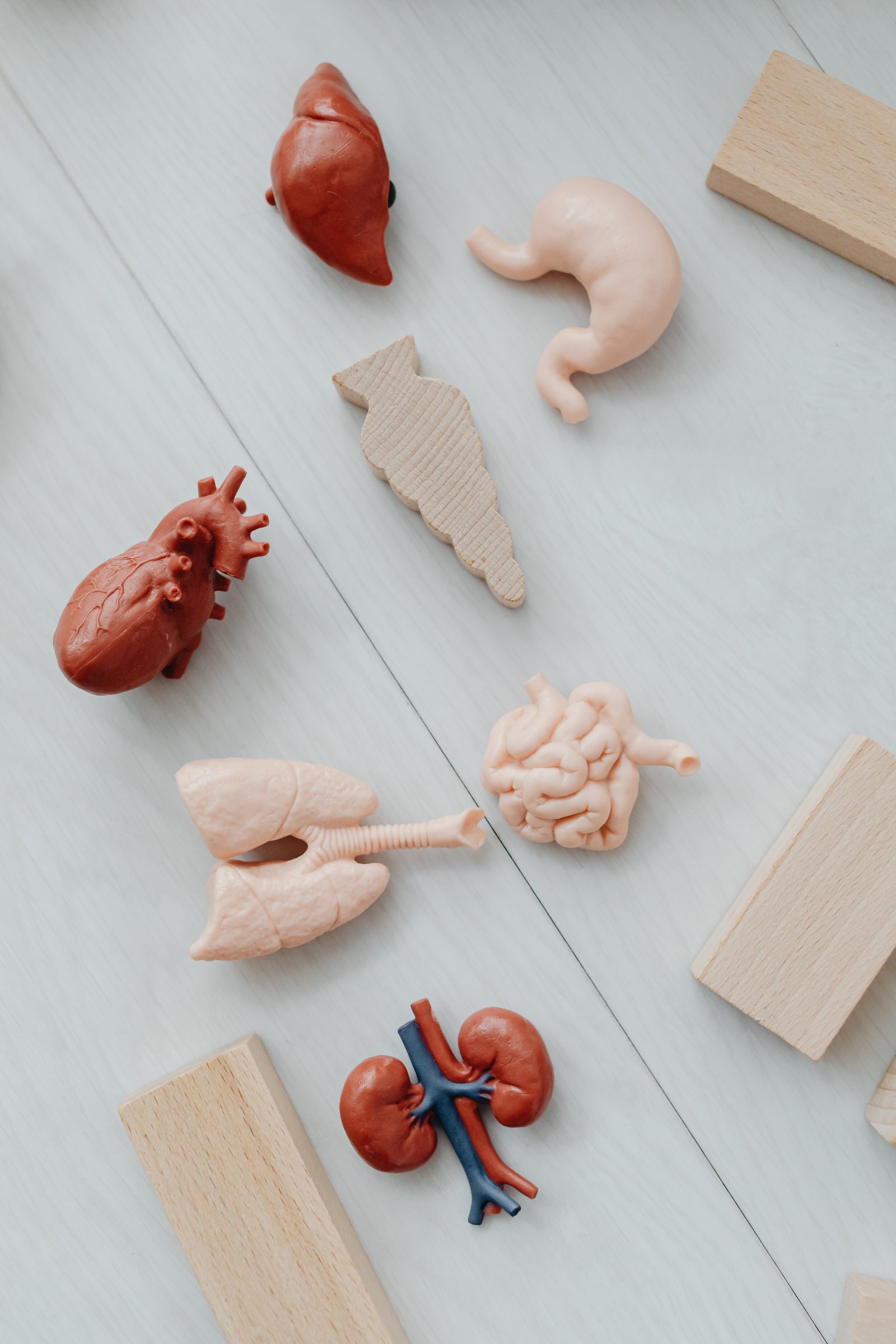
Introduction: In today's fast-paced world, remarkable advancements in medical technology continue to redefine the boundaries of what is possible. One such groundbreaking innovation is the development of artificial human organs. Utilizing cutting-edge technology, scientists and medical professionals are now able to fabricate organs that closely mimic the functions of real human organ systems. In this blog post, we'll delve into the fascinating realm of artificial human organs and explore how they are poised to revolutionize the field of medicine. 1. What are Artificial Human Organs? Artificial human organs are man-made replacements for damaged or dysfunctional organs within the human body. These organs are designed to replicate the essential functions of their natural counterparts, thereby restoring normal bodily processes. Through a combination of biomedical engineering, tissue engineering, and 3D printing, researchers are able to create organs that are biocompatible, functional, and compatible with the human body. 2. Advantages and Applications: a) Overcoming Organ Shortages: One of the most significant advantages of artificial human organs is the potential to overcome the ongoing shortage of donor organs. Organ transplantation is often hindered by a lack of available organs, resulting in lengthy waiting lists. Artificial organs could provide a solution, offering an unlimited supply of organs, which can be customized to suit individual patients' needs. b) Progress in Research and Drug Development: Artificial organs serve as valuable tools to conduct research and test new drugs in a controlled environment. With their ability to closely replicate human organ systems, scientists can study the effects of drugs more accurately, potentially speeding up the drug development process and leading to safer and more effective treatments. c) Personalized Medicine: By utilizing artificial organs, medical professionals can develop personalized treatments for patients. These organs can be tailored to specific individuals, accounting for their unique physiology, genetic makeup, and medical history. This approach to personalized medicine holds great potential for better patient outcomes and improved quality of life. 3. Current Advancements and Challenges: a) 3D Printing: The advent of 3D printing technology has brought significant advancements to the field of artificial human organs. Scientists are now able to create complex organ structures layer by layer, using bioinks and biomaterials. This offers the opportunity to design organs with the necessary architecture and vascular systems required for proper functionality. b) Biocompatibility and Longevity: One of the key challenges in developing artificial organs is ensuring their biocompatibility and longevity within the human body. Researchers are actively exploring new materials and techniques to create organs that can seamlessly integrate into the body, function effectively, and withstand the tests of time. c) Regulatory and Ethical Considerations: As the development of artificial human organs continues to progress, there are various ethical and regulatory considerations that need to be addressed. Questions concerning patient safety, informed consent, and equitable access to these technologies must be carefully evaluated. 4. The Future of Medicine: The emergence of artificial human organs marks an exciting turning point in the field of medicine. As technology advances, the potential applications and benefits of these artificial organs are vast. We can envision a future where organ transplantation becomes more accessible, personalized medicine becomes the norm, and new treatments emerge thanks to the insights gained through research on these artificial organ models. Conclusion: The era of artificial human organs holds immense promise for transforming healthcare as we know it. While there are still challenges to overcome, the relentless pursuit of innovation by researchers and medical professionals ensures that this technology will continue to advance. As we witness the growth of this field, it becomes clear that artificial human organs have the potential to improve the quality of life for countless individuals and revolutionize the way we approach medical care. To learn more, take a look at: http://www.doctorregister.com also this link is for more information http://www.tinyfed.com also for More in http://www.natclar.com


