Nourishing Your Body: Proper Nutrition to Prevent Organ Transplantation Complications
Category : organb |
Sub Category : organb Posted on 2023-10-30 21:24:53
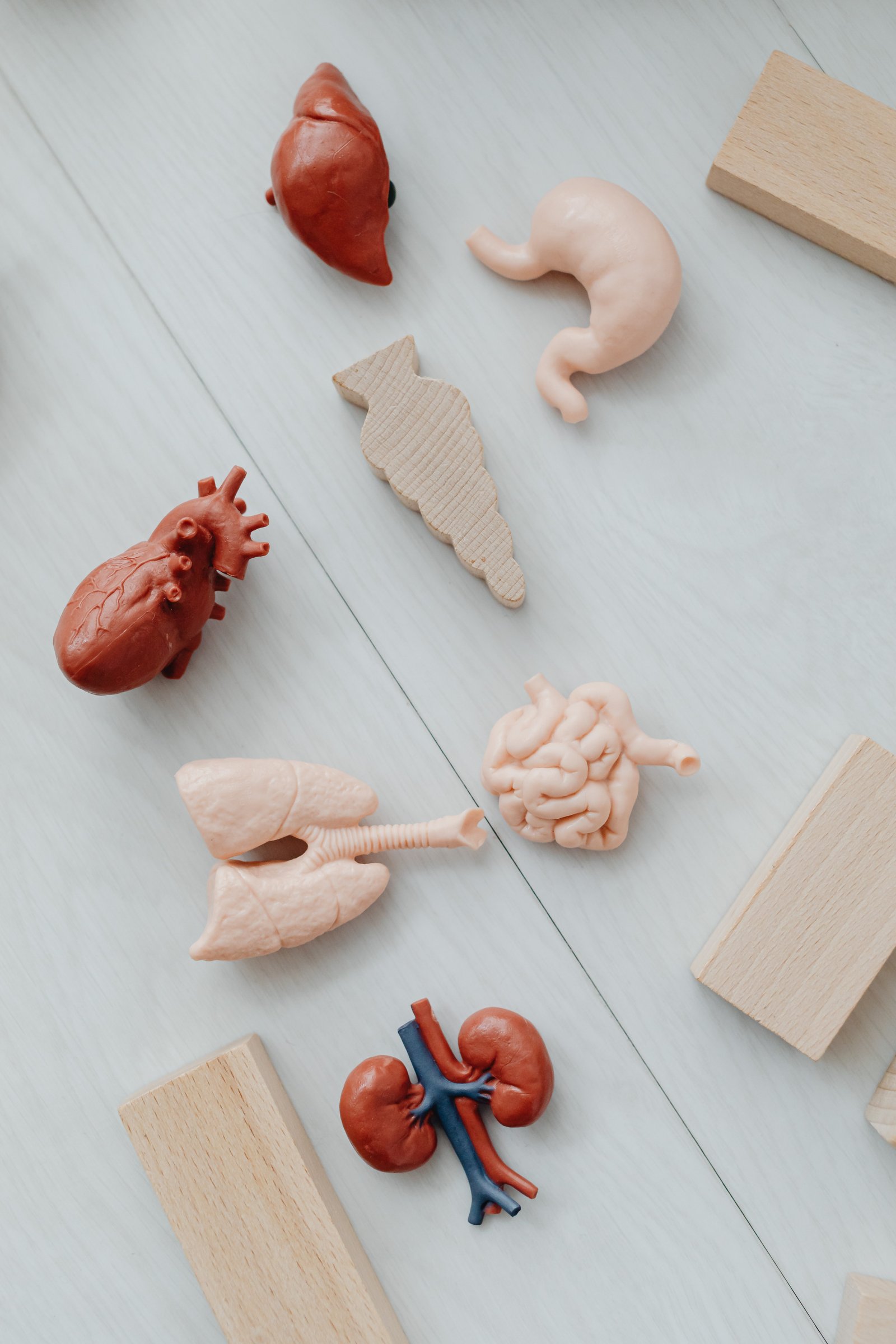
Introduction: Organ transplantation has revolutionized modern medicine, offering a second chance at life for many individuals suffering from end-stage organ failure. While the procedure itself is a life-saving intervention, it is not without its own challenges. One crucial aspect often overlooked is the role of nutrition in preventing complications after organ transplantation. In this blog post, we will explore the importance of proper nutrition and provide essential guidelines to support a successful recovery and minimize the risk of complications. 1. Maintaining a Balanced Diet: Following an organ transplantation, it becomes even more important to maintain a balanced diet to support overall health and contribute to successful recovery. Focus on consuming a variety of fruits, vegetables, whole grains, lean proteins, and healthy fats. Opt for nutrient-dense foods that will provide essential vitamins, minerals, and antioxidants to bolster the body's natural defenses. 2. Adequate Protein Intake: Protein plays a vital role in the healing process after an organ transplant. It helps repair damaged tissues, strengthens the immune system, and supports wound healing. Aim for a protein-rich diet, including lean meats, fish, dairy products, legumes, and plant-based protein sources. Consult with a registered dietitian to determine the optimal protein intake based on your specific needs. 3. Limit Sodium and Fluid Intake: Certain organ transplant recipients, such as those with kidney transplants, may need to limit their sodium and fluid intake. Excess sodium can contribute to hypertension and fluid retention, while excessive fluid intake can strain the kidneys. Monitor your sodium intake by avoiding processed foods, canned soups, and pickled or smoked foods. Opt for fresh or homemade meals using herbs and spices for flavor. Additionally, consult your healthcare team for specific guidelines regarding fluid restriction. 4. Avoiding Foodborne Illnesses: Immunosuppressive medications, which are often prescribed after organ transplantation surgeries, may weaken the immune system, making patients more susceptible to foodborne illnesses. It is essential to practice safe food handling and food preparation techniques. Thoroughly cook meats, wash fruits and vegetables, and avoid cross-contamination during meal preparation. Additionally, be cautious when consuming raw or undercooked foods, unpasteurized dairy products, and raw sprouts, as they can pose a higher risk. 5. Adequate Hydration: Proper hydration is crucial for every individual, but even more so for organ transplant recipients. It helps maintain healthy blood flow, support kidney function, and prevent complications such as electrolyte imbalances and constipation. Aim to drink adequate fluids throughout the day, always staying mindful of your specific fluid restrictions if applicable. Water, herbal teas, and low-sugar fluids are excellent choices. Conclusion: Nutrition plays a fundamental role in preventing complications and supporting a successful recovery after organ transplantation. By following a balanced diet, ensuring adequate protein intake, limiting sodium and fluid, avoiding foodborne illnesses, and staying well-hydrated, transplant recipients can optimize their health and well-being. Always consult with your healthcare team or registered dietitian to create a personalized nutrition plan that addresses your specific needs and aids in attaining a fruitful post-transplantation journey. Remember, nourishing your body is a vital step towards a healthier future. Don't miss more information at http://www.tinyfed.com To get more information check: http://www.childnut.com


