Raising Awareness: The Importance of Organ Donation Education in Chile
Category : organb |
Sub Category : organb Posted on 2023-10-30 21:24:53
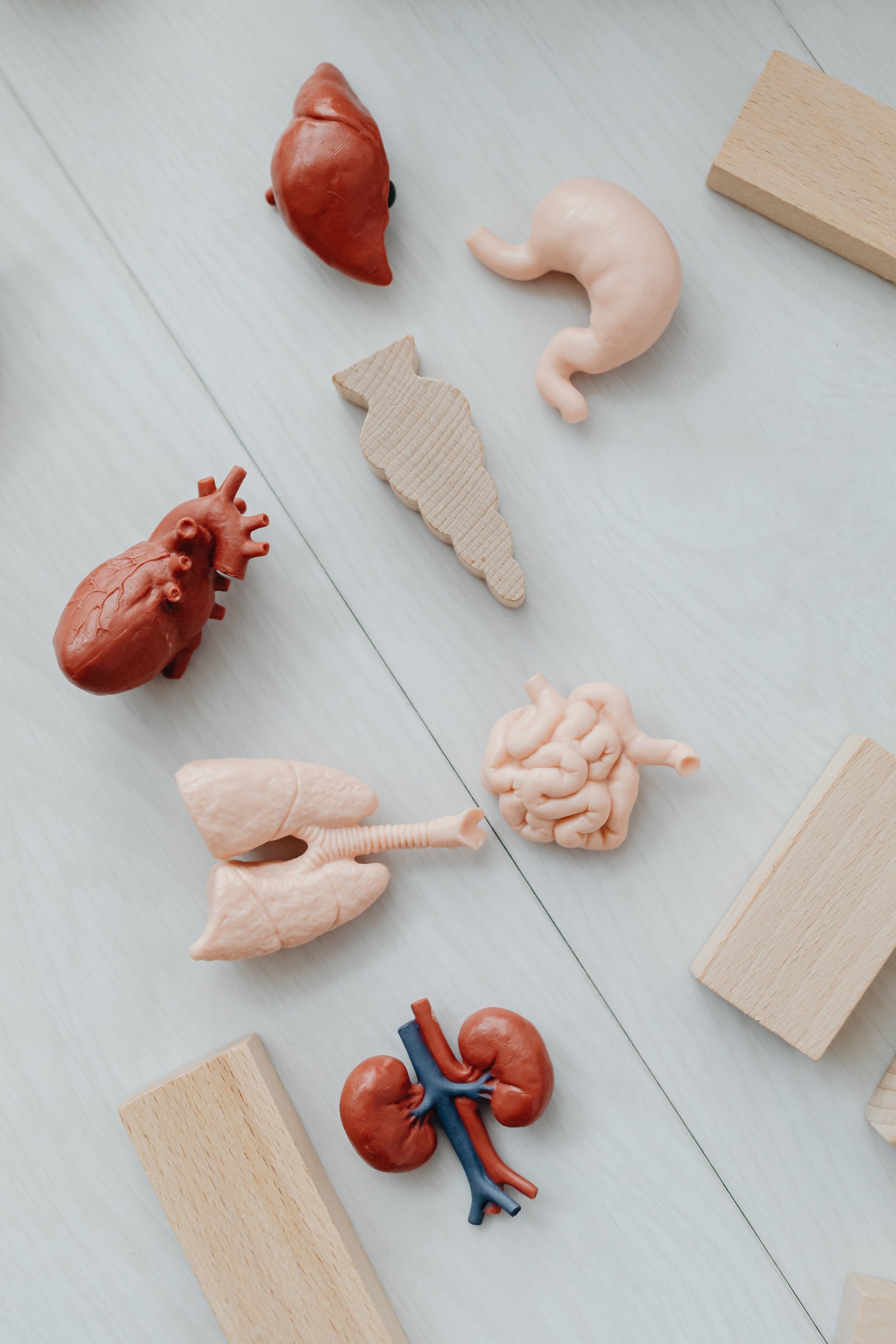
Introduction: Organ donation is a life-saving phenomenon that has the potential to transform thousands of lives. In Chile, the need for organ donors far exceeds the supply, presenting a crucial issue that needs to be addressed. To bridge this gap, educating the public about organ donation and dispelling myths and misconceptions is vital. In this blog post, we will explore the importance of organ donation education in Chile and how it can help save lives. 1. Understanding the Current Scenario in Chile: Chile faces a significant organ shortage, with a large number of patients awaiting life-saving organ transplants. Currently, the country depends largely on deceased donors. However, due to various factors such as cultural beliefs, lack of awareness, and misconceptions, the availability of organ donors remains significantly low. Organ donation education plays a pivotal role in addressing these challenges. 2. Dispelling Myths and Misconceptions: One of the primary concerns related to organ donation is the fear of inadequate medical care in emergencies if someone is a registered organ donor. Education can address such misconceptions by emphasizing the fact that in such situations, the priority is always to save lives, and organ donation only becomes a possibility after all life-saving efforts have been exhausted. Additionally, dispelling cultural beliefs and highlighting the fact that organ donation is a selfless act of giving someone a second chance at life can also help overcome the reluctance to become an organ donor. 3. Raising Awareness among the General Public: Educating the public about the importance of organ donation starts with raising awareness. This can be done through various channels such as educational campaigns, workshops, seminars, and community outreach programs. Collaborative efforts between healthcare organizations, government bodies, and non-profit organizations can help magnify the impact of organ donation education. Moreover, leveraging the power of social media platforms and engaging influencers can also play a significant role in spreading the message and encouraging individuals to become organ donors or encourage their loved ones to consider it. 4. Incorporating Organ Donation Education in the School Curriculum: Introducing organ donation education in the school curriculum can have a profound and long-lasting effect. By teaching students about the importance and process of organ donation, we are shaping future generations to be more informed and supportive of this cause. This education can also extend to university campuses and workplace environments, creating a society that normalizes organ donation as a compassionate act. 5. Partnering with Healthcare Professionals: Collaboration between healthcare professionals and organ donation organizations can provide healthcare workers with the knowledge and tools to approach families facing the difficult decision of organ donation after the loss of a loved one. Training medical personnel in discussing organ donation sensitively and ethically can help increase the consent rate and ensure a respectful and compassionate approach is taken at all times. Conclusion: Organ donation education in Chile plays a vital role in bridging the gap between the demand and supply of organs. By dispelling myths, raising awareness, incorporating education in schools, and partnering with healthcare professionals, we can create a society that is more informed about organ donation and willing to make a difference in the lives of those in need. As individuals, it is our responsibility to actively seek information about organ donation and engage in conversations with our loved ones. Together, let us work towards saving lives and giving hope for a better future through organ donation education in Chile. For a different perspective, see: http://www.turbien.com


