Understanding Human Organ Health in Pakistan: Challenges and Solutions
Category : organb |
Sub Category : organb Posted on 2023-10-30 21:24:53
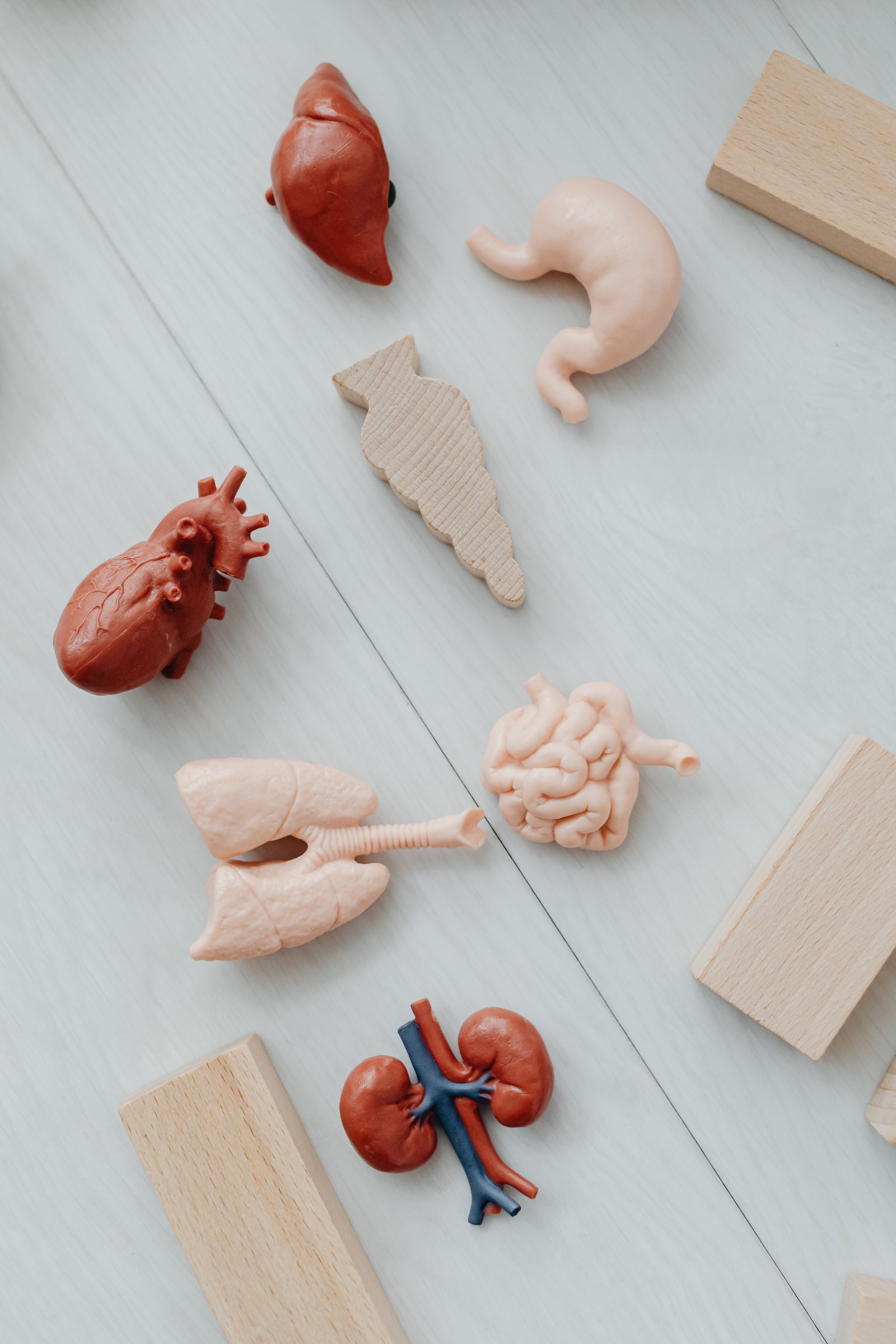
Introduction: Pakistan is a country that faces various challenges when it comes to human organ health. With a population of over 220 million people, ensuring adequate access to healthcare and promoting organ health poses a significant challenge. In this blog post, we will explore the current state of human organ health in Pakistan, the challenges faced, and potential solutions to improve the situation. The Current State of Human Organ Health in Pakistan: 1. Organ Donation Rates: One of the primary challenges in Pakistan is the low rate of organ donations. The demand for organs far exceeds the supply, leading to long waiting lists for patients in need. Cultural and religious beliefs, lack of awareness, and fear surrounding organ donation contribute to this low rate. According to the Sindh Institute of Urology and Transplantation, Pakistan has one of the lowest living organ donation rates in the world. 2. Access to Healthcare: Access to quality healthcare services, including organ health, remains a significant challenge, particularly in rural areas. Limited healthcare infrastructure, a shortage of skilled medical professionals, and disparities in healthcare distribution contribute to the overall poor state of organ health in the country. 3. Organ Trafficking and Illegal Organ Trade: Pakistan has unfortunately become a hub for organ trafficking and illegal organ trade. Poverty, desperation, and lack of regulations have given rise to a black market where people sell their organs to meet their financial needs. This exploitative practice not only victimizes vulnerable individuals but also hampers the ethical principles of organ transplantation. Potential Solutions: 1. Raising Awareness: Creating awareness about the importance of organ donation and the benefits it brings can play a crucial role in changing societal attitudes. Collaborations with religious leaders, media campaigns, and community engagement initiatives can help debunk myths surrounding organ donation and encourage a positive mindset towards it. 2. Strengthening Healthcare Infrastructure: Investing in healthcare infrastructure and expanding access to quality healthcare services in underserved areas is crucial. This includes establishing transplant centers and improving medical facilities to cater to the needs of patients requiring organ transplantations. 3. Legislation and Regulation: Enforcing stricter legislation and regulations to combat organ trafficking and the illegal organ trade is essential. This includes implementing policies that protect vulnerable individuals and penalize those involved in organ trafficking. Collaborating with international organizations and adopting global best practices can help in improving the legal framework. 4. Education and Training: Providing comprehensive education and training to healthcare professionals can significantly contribute to the improvement of organ health in Pakistan. This includes specialized training in organ transplantation, post-transplant care, and the management of organ-related diseases. Conclusion: Improving human organ health in Pakistan requires a collective effort from the government, healthcare professionals, and the community as a whole. By addressing the challenges of organ donation rates, access to healthcare services, organ trafficking, and implementing potential solutions, Pakistan can move toward a future where individuals have improved organ health, a reduced waiting list for transplantations, and a better quality of life. It is only through concerted efforts that Pakistan can overcome these challenges and ensure the well-being of its population. For a different perspective, see: http://www.uurdu.com also don't miss more information at http://www.doctorregister.com Check the link: http://www.tinyfed.com For more information: http://www.natclar.com


