Understanding the Challenges of Organ Transplantation in Sports
Category : organb |
Sub Category : organb Posted on 2023-10-30 21:24:53
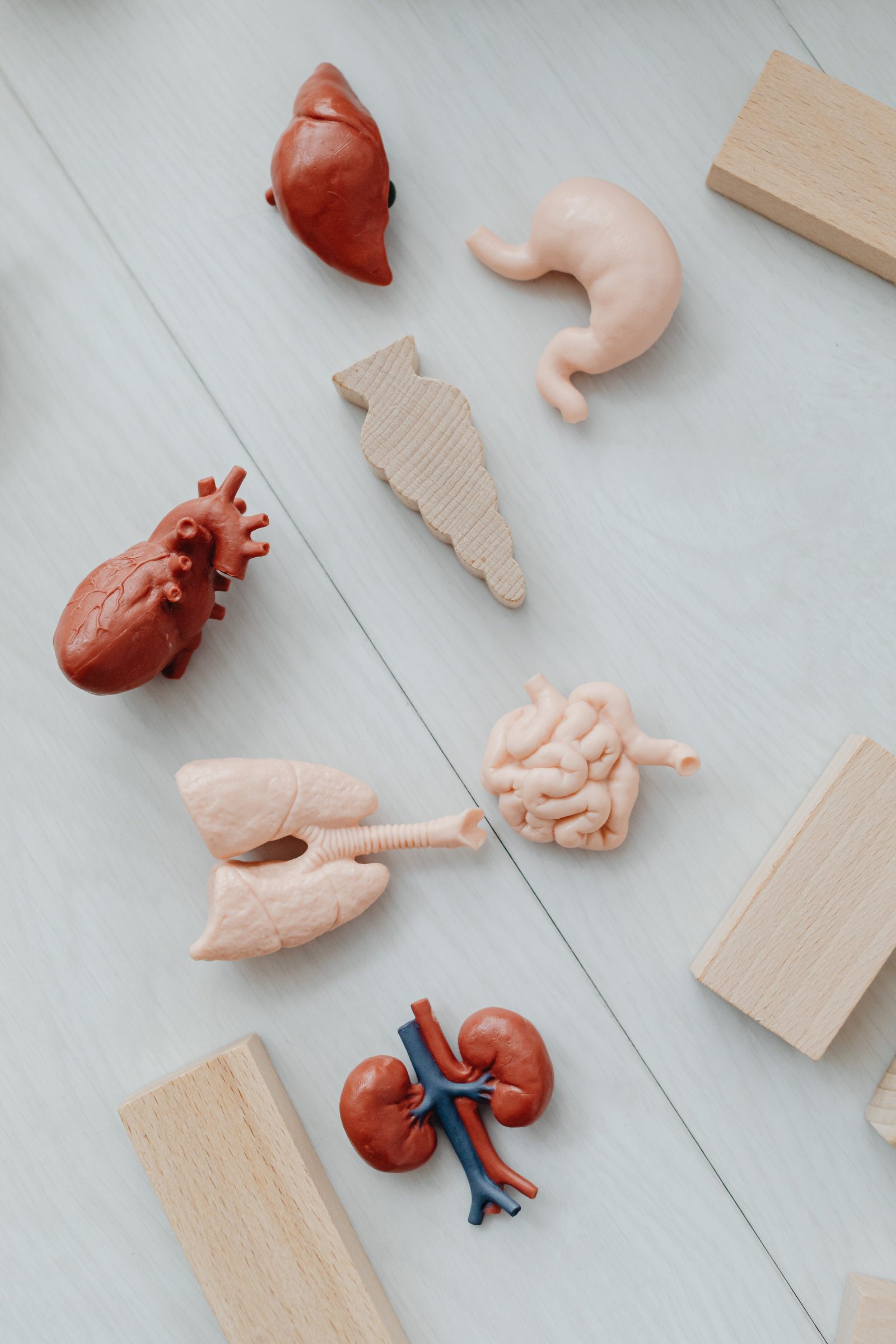
Introduction: Organ transplantation has revolutionized medical treatment, offering hope to thousands of individuals suffering from organ failure. In recent years, the world of sports has also witnessed remarkable instances of athletes returning to their chosen fields following successful organ transplants. While these stories inspire hope and admiration, it is important to acknowledge the potential complications and challenges that can arise during and after organ transplantation for athletes. In this article, we will explore the unique considerations and risks sports professionals face in their journey to regain health and return to competitive play. 1. The Impact of Immunosuppressive Medications on Athletic Performance: Athletes undergoing organ transplantation are often required to take immunosuppressive medications to prevent organ rejection. While these drugs are crucial for the success of the transplant, they can have potential negative effects on athletic performance. Immunosuppressive medications may result in reduced strength, endurance, and overall physical capabilities. Athletes must work closely with their medical team to find a delicate balance between maintaining a healthy transplant and optimizing their performance on the field. 2. Post-Transplant Fitness Challenges: Athletes accustomed to high-intensity training may face significant setbacks following organ transplantation. The recovery process is demanding, involving restrictions on physical activity to allow the body to heal and adjust to the new organ. Athletes may experience a decrease in muscle strength, endurance, and overall fitness during this period. Gradual rehabilitation, under the guidance of medical professionals and sports trainers, is essential for restoring the athlete's physical capabilities and minimizing post-transplant complications. 3. Psychological Considerations and Mental Health Support: Facing a life-threatening condition and undergoing a major surgery can have a significant impact on an athlete's mental health and psyche. The fear of rejection, the pressure to perform at the same level as before, and adjusting to a new reality can lead to anxiety, depression, and other psychological challenges. It is crucial for athletes to receive proper psychological support and counseling throughout the transplantation process to ensure their mental well-being and aid in their successful return to sports. 4. Lifestyle Changes and Monitoring: Athletes who undergo transplantation must adopt significant lifestyle changes to safeguard their new organ's health. This includes adhering to a strict medication schedule, following a specialized diet, and maintaining a healthy lifestyle overall. Regular medical check-ups and monitoring are crucial to identify any potential complications early on and ensure prompt intervention. Athletes must work closely with their medical team to develop an individualized plan that supports their athletic goals while prioritizing their overall well-being. 5. The Importance of Supportive Sports Communities: Support from the sports community can play a vital role in an athlete's journey toward recovery and successful transplantation. Encouragement and understanding from coaches, teammates, and fans can provide invaluable motivation and mental strength during challenging times. Awareness campaigns and initiatives promoting organ donation are essential in fostering a culture of support and understanding within the sports realm. Conclusion: While organ transplantation has opened new doors for athletes, it is important to acknowledge the unique challenges they face throughout their journey towards recovery and returning to their chosen sport. The impact of immunosuppressive medications, physical rehabilitation, mental health support, lifestyle changes, and the need for a supportive sports community are all factors that must be considered to ensure the success of organ transplantation in the athletic world. With the right medical support, mental fortitude, and determination, athletes can overcome these challenges and go on to inspire others with their extraordinary feats post-transplant. Click the following link for more http://www.borntoresist.com Visit the following website http://www.mimidate.com for more http://www.cotidiano.org


